

Dog Behaviorist in Scottsdale, AZ for Aggression, Anxiety, and Reactivity
If your dog is growling, lunging, snapping, biting, panicking when left alone, guarding, or fighting with another dog in the home, you are carrying a kind of stress most people never see. Most of these behaviors are driven by fear, anxiety, or frustration, not defiance, and that means they can be changed. As a certified canine behaviorist serving Scottsdale, I help pet parents find the real cause and build a calmer, safer life with their dog, using evidence-based, force-free behavior modification.
No shock. No prong. No fear.

Will Bangura, M.S., CAB-ICB
CBCC-KA, CPDT-KA, FDM, FFCP
Arizona's only CAB-ICB Certified Canine Behaviorist through International Canine Behaviourists, and one of only three in the United States, with more than 35 years of experience working with severe aggression, fear, anxiety, reactivity, and complex canine behavior cases.
By identifying the underlying causes of aggression, anxiety, and other behavior problems and improving emotional regulation, Will helps pet parents across Scottsdale and the Phoenix metro area build safer, calmer, and more predictable relationships with their dogs.
M.S.
Psychology, Behavioral Focus
CAB-ICB
Certified Canine Behaviorist
CBCC-KA
Certified Behavior Consultant Canine
CPDT-KA
Certified Professional Dog Trainer
FDM
Applied Ethology / Family Dog Mediation
FFCP
Fear Free Certified Professional
Real Stories of Dogs Overcoming Aggression, Reactivity, and Anxiety
Some of these families arrived frightened, exhausted, or convinced that nothing would work. Here is what changed, in their words and in their dogs.


Behavior, not just obedience
When Ordinary Training Is Not Enough
Obedience skills are useful, and a well-mannered dog is a joy to live with. But teaching a dog what to do is not the same as changing how a dog feels. Aggression, anxiety, fear, panic, separation distress, and reactivity are emotional behaviors that usually need more than another round of cues, and they are exactly what a dog behaviorist in Scottsdale is trained to address.
That is the difference at the heart of this work. Training teaches skills. Behavior modification changes behavior patterns and the emotional responses that produce them. Serious cases call for careful assessment, management that prevents the behavior from being rehearsed, trigger identification, gradual sub-threshold exposure, counterconditioning, desensitization, reinforcement-based skill building, and coaching for the whole family.
The pet parents who reach out to me from across Scottsdale, from Old Town and McCormick Ranch to the foothills around Troon and Pinnacle Peak, almost always describe the same thing. The methods that work for most dogs have done nothing for the fear, reactivity, or aggression they are living with every day.
What this work covers
Behavior Problems We Help Scottsdale Pet Parents Address
If your situation is somewhere in this list, you are in the right place. Each of these is a behavior case, and each has a humane, evidence-based path forward.
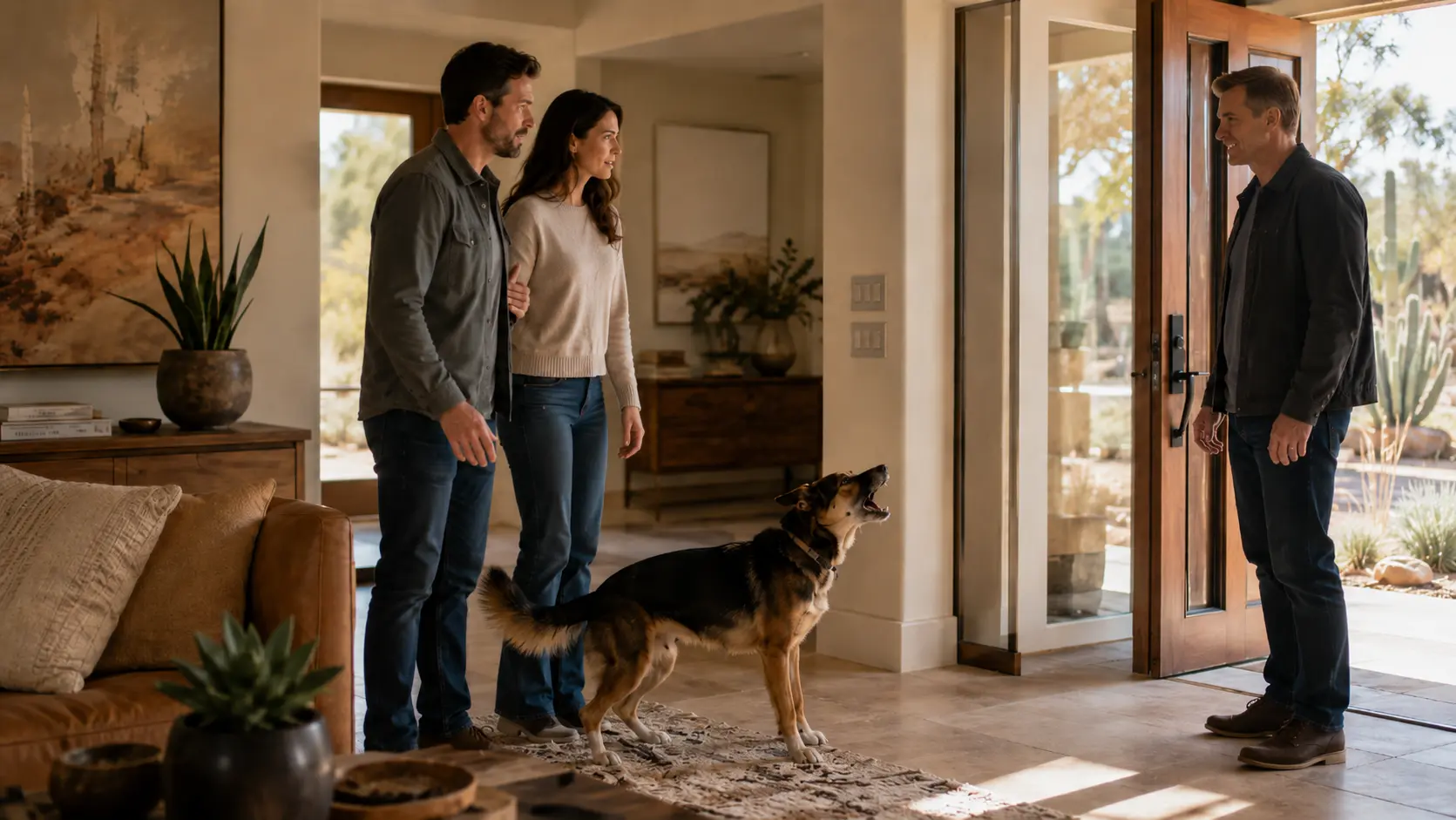
Dog aggression toward people
Growling, snapping, lunging, or biting directed at family members, visitors, or strangers, often driven by fear or the need to create distance.
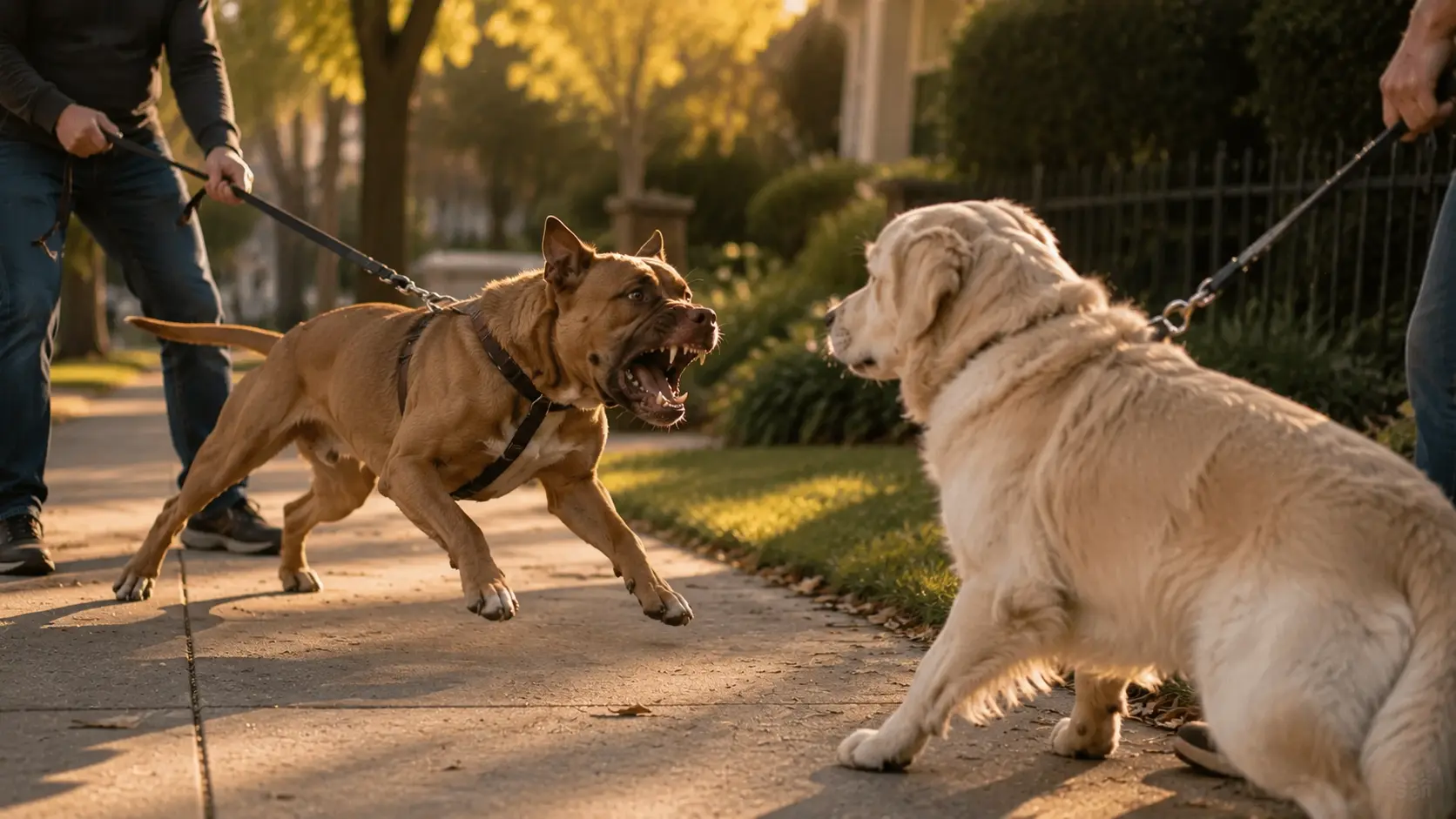
Dog-to-dog aggression
Intense reactions to other dogs at home, on walks, or in shared spaces, ranging from posturing to serious conflict.
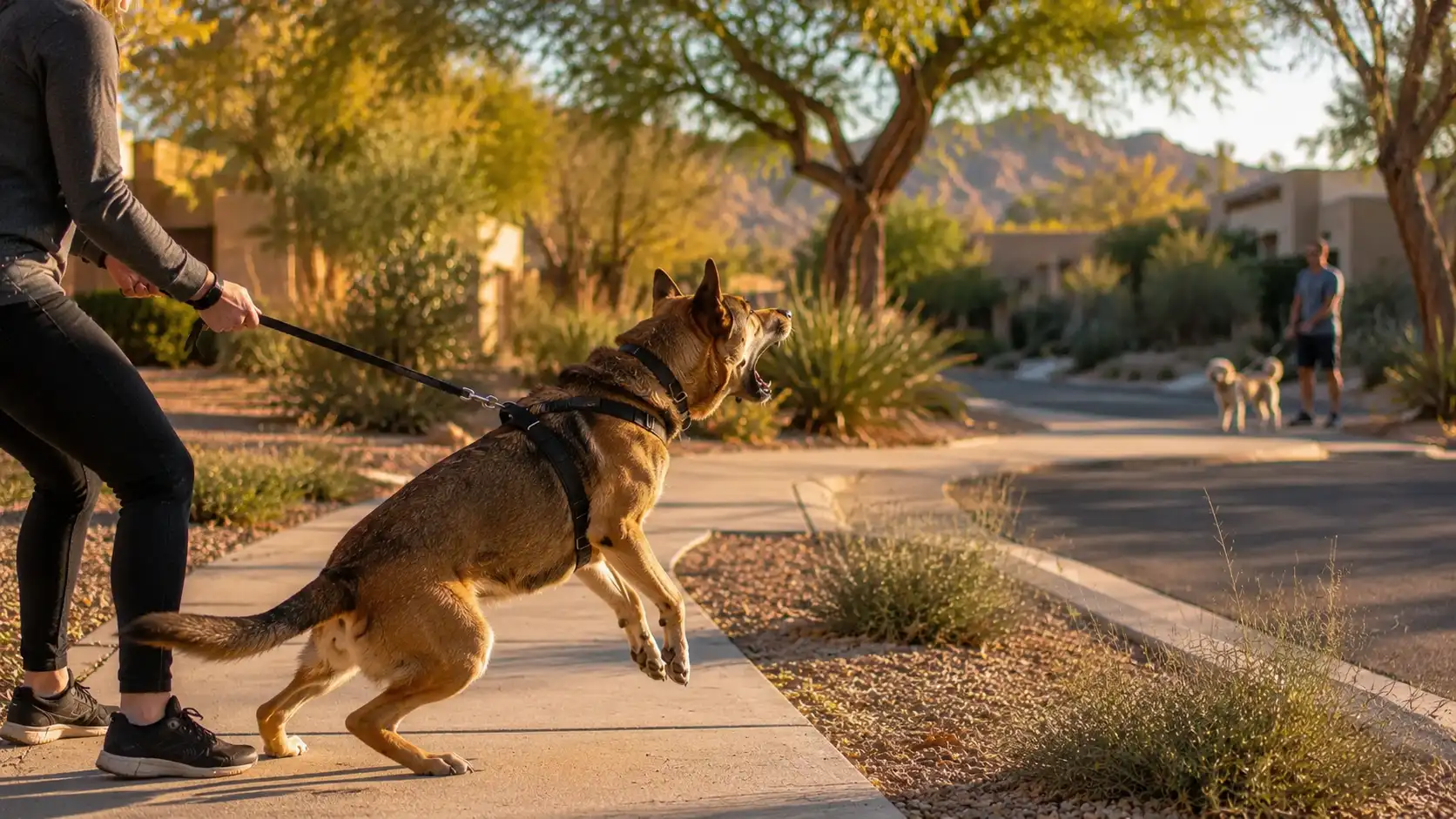
Leash reactivity
Barking, lunging, and pulling toward dogs, people, bikes, or cars while on leash, usually rooted in fear or frustration rather than defiance.
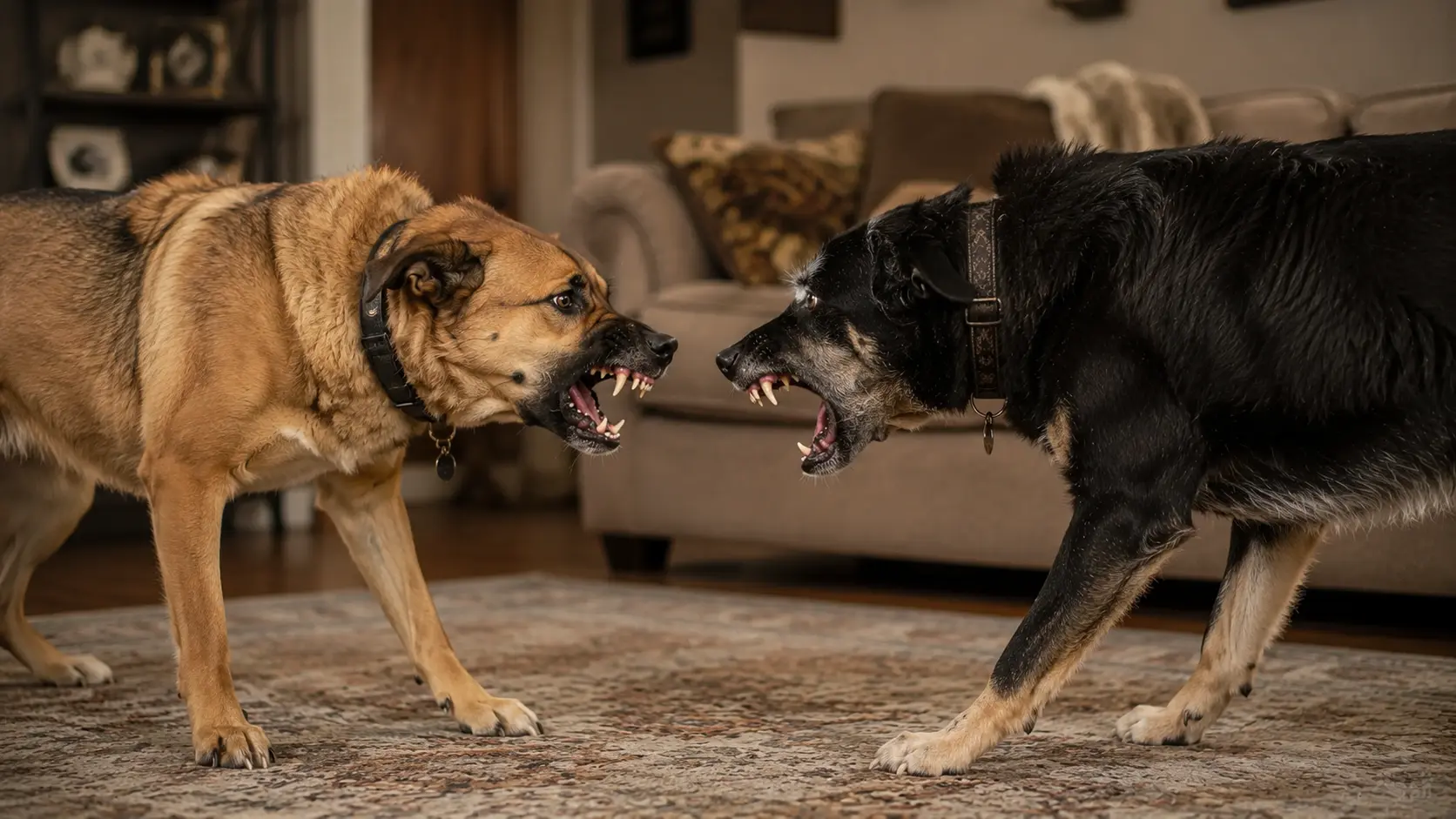
Dogs fighting in the same home
Tension or outright fighting between dogs that live together, which needs careful assessment and a structured management and modification plan.
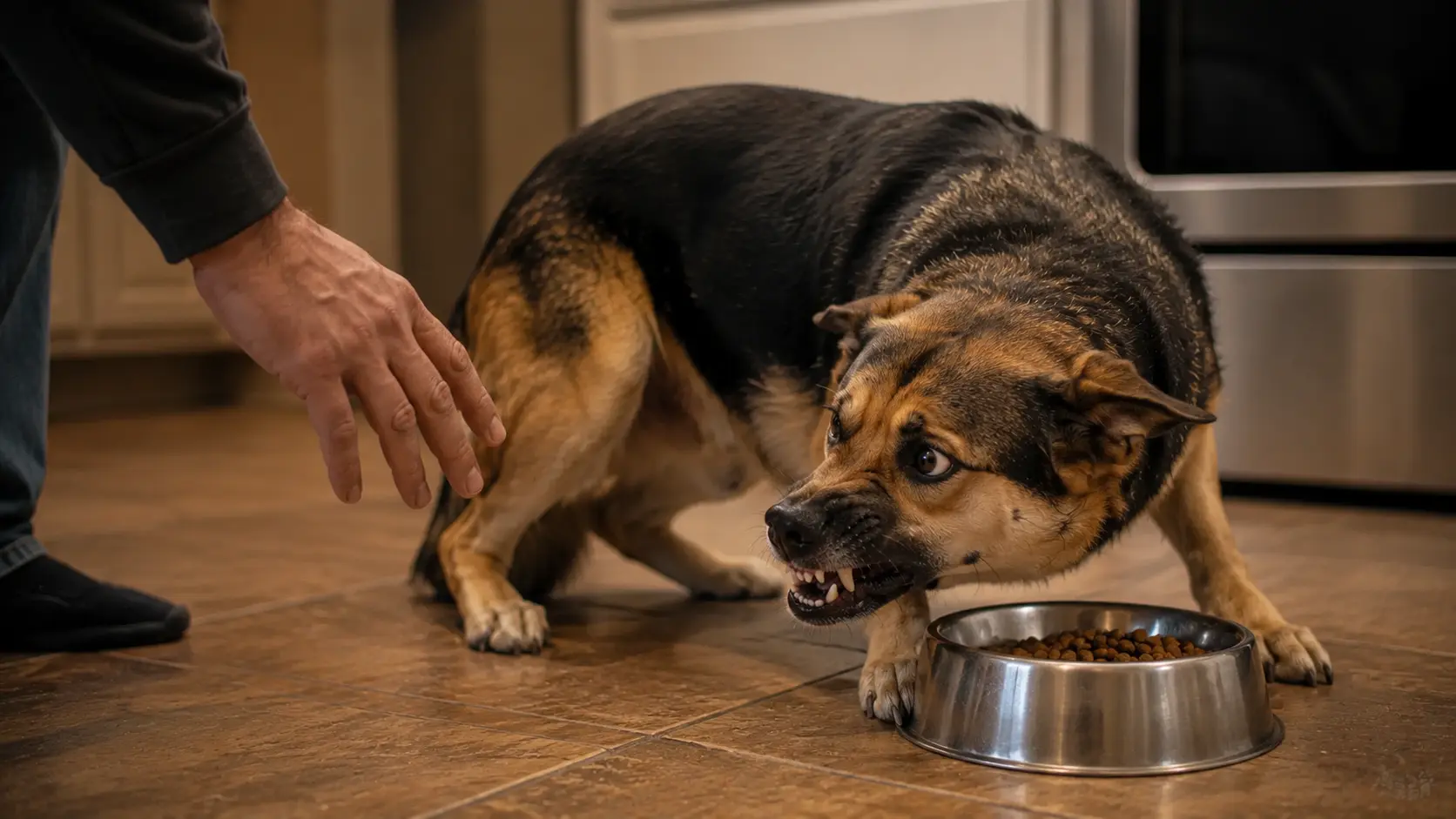
Resource guarding
Stiffening, growling, or snapping over food, toys, chews, beds, or people, a common and very workable behavior pattern.
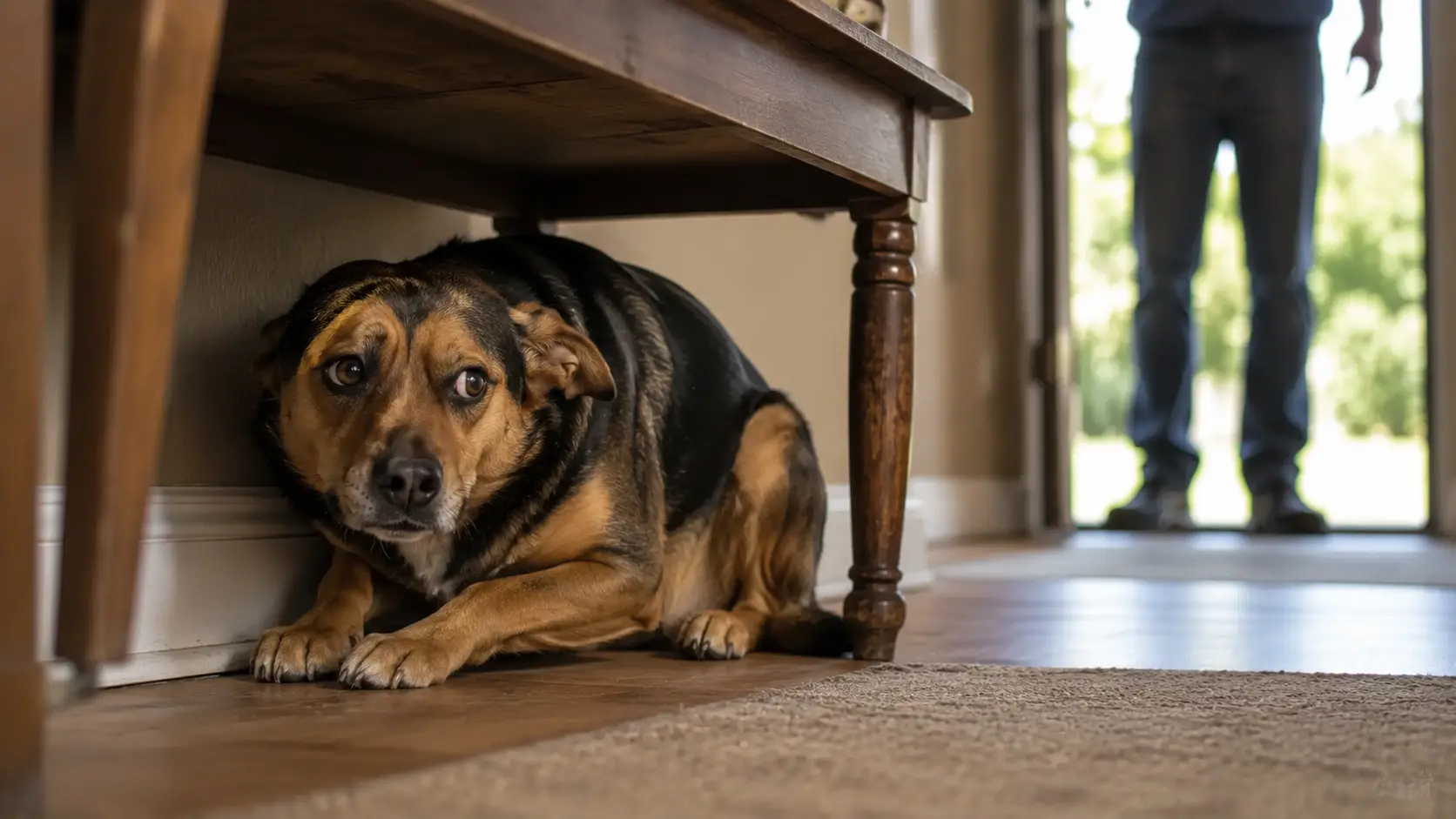
Fear and phobias
Hiding, trembling, freezing, or fleeing from specific triggers such as strangers, surfaces, objects, or places.
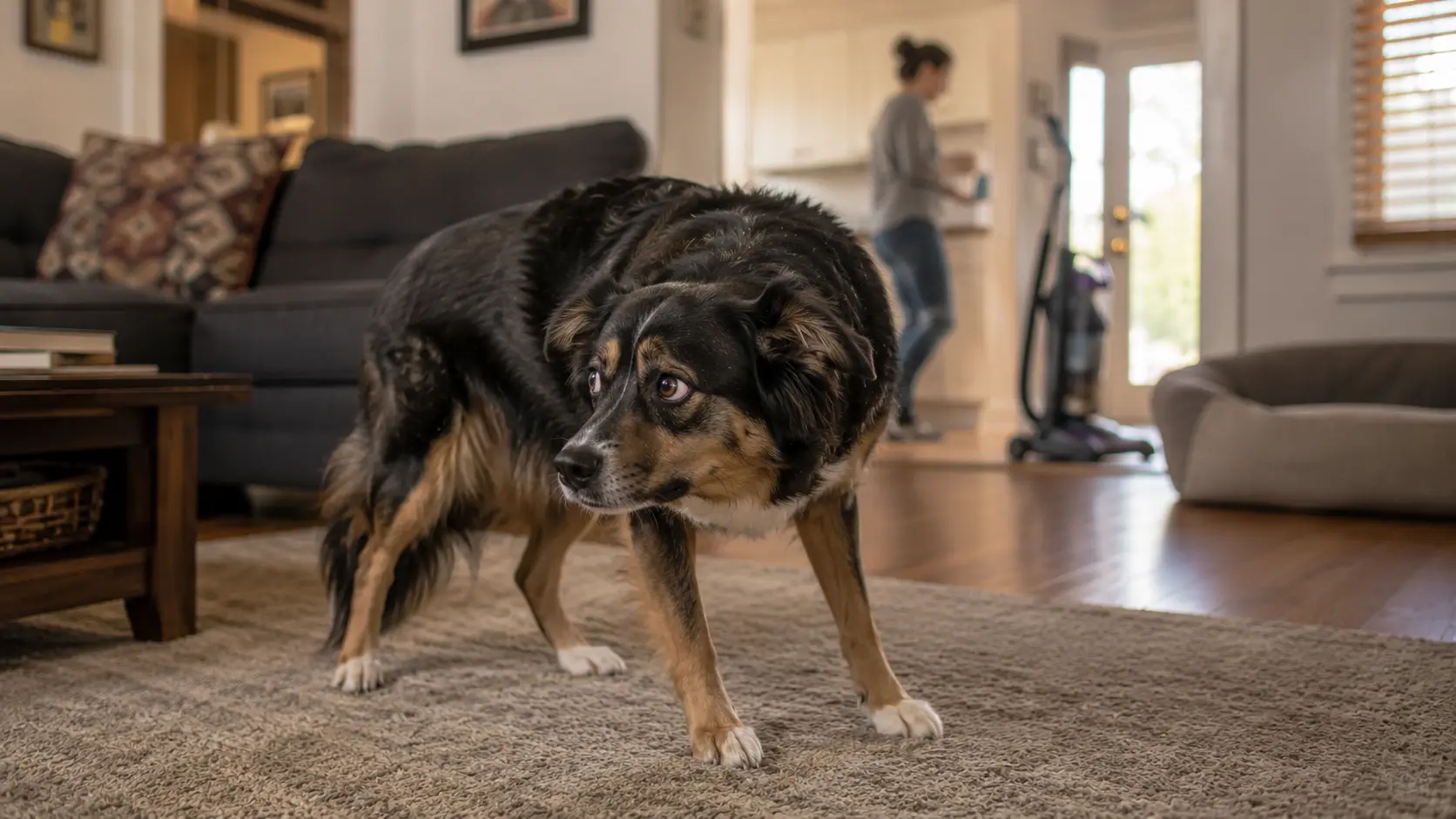
Generalized anxiety
A dog who seems on edge much of the time, struggles to settle, and overreacts to ordinary daily events.
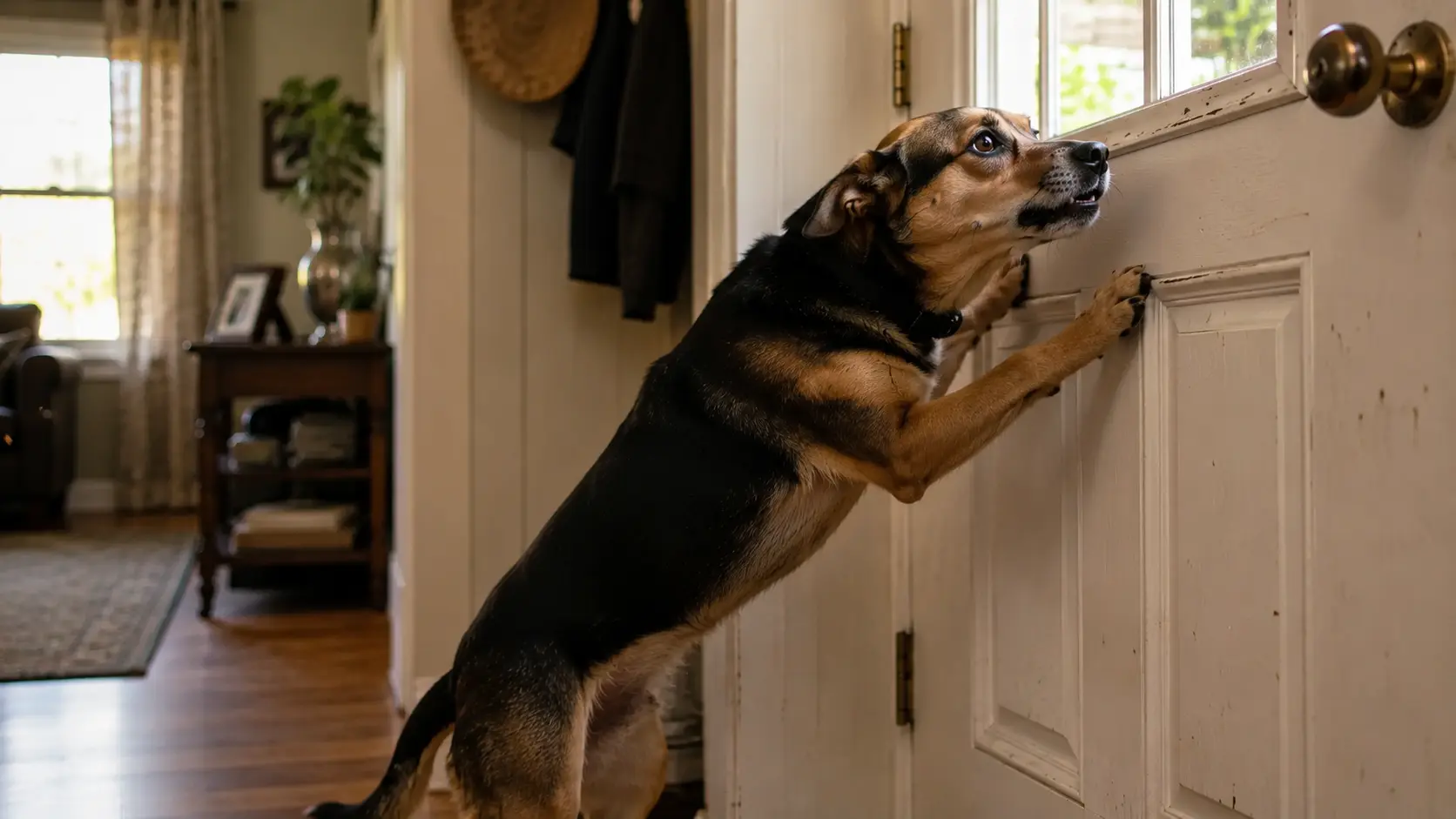
Separation anxiety
Genuine panic when left alone, shown through vocalizing, destruction, pacing, or house soiling, which calls for its own gradual approach.

Noise sensitivity
Distress around thunder, fireworks, vacuums, or other sounds, sometimes building into broader anxiety over time.
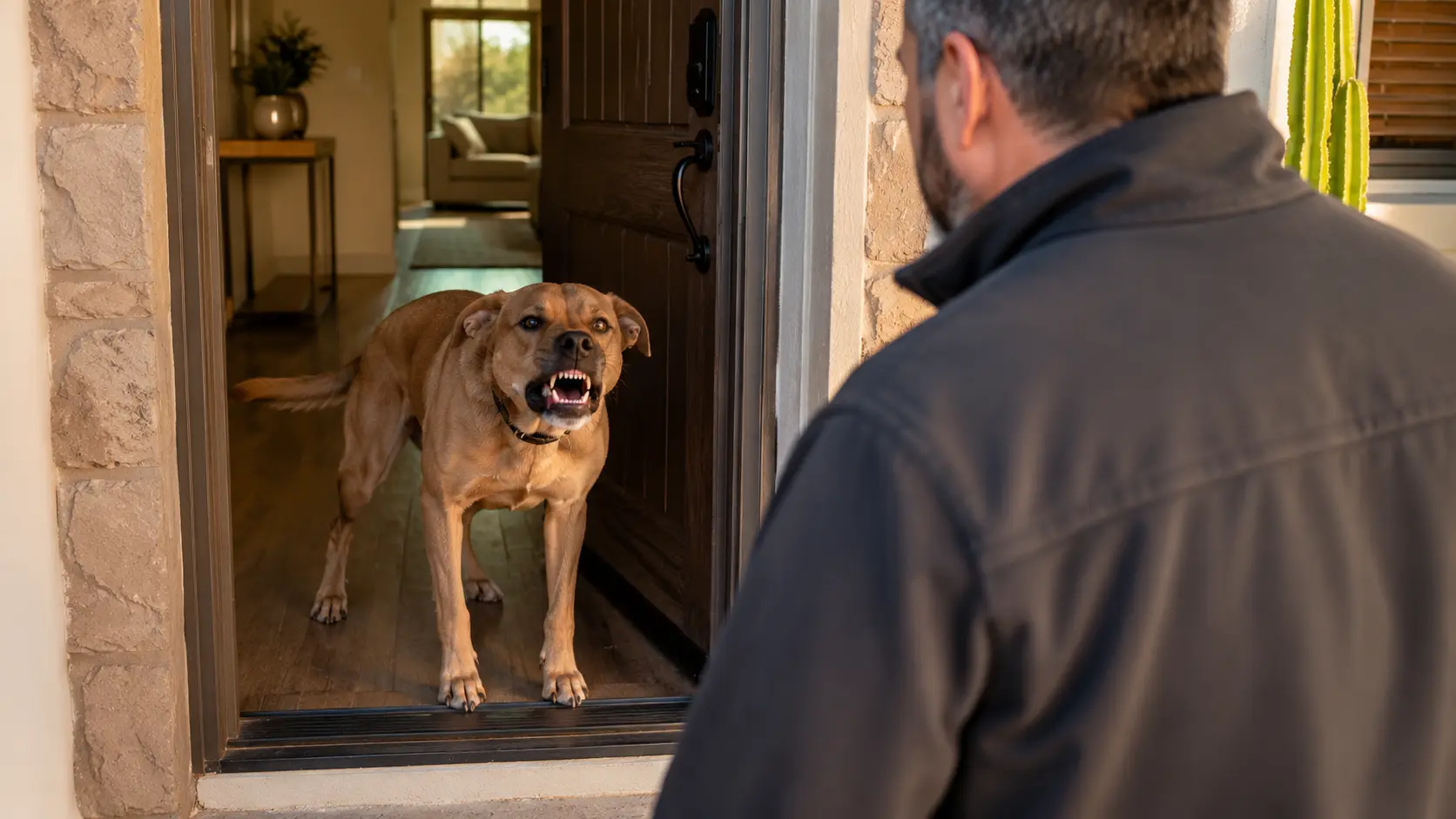
Visitor and doorway reactivity
Overarousal, barking, or guarding at the door and around guests, where the entry routine itself has become a trigger.

Handling, grooming, and vet visit fear
Fear or defensiveness during nail trims, brushing, restraint, or veterinary care, where cooperation can be rebuilt humanely.
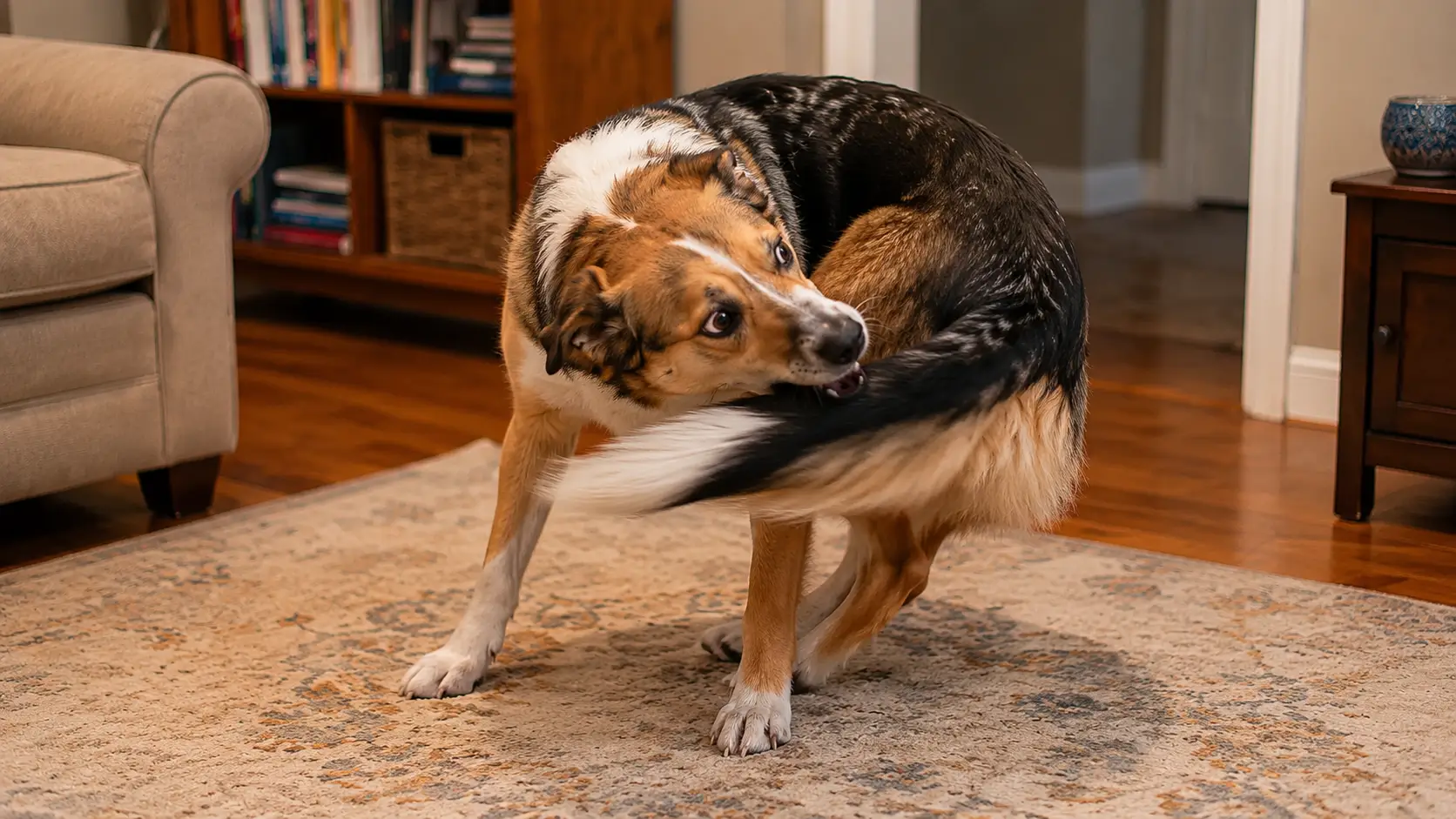
Compulsive or repetitive behaviors
Patterns such as spinning, tail chasing, pacing, or excessive licking that may have an emotional or medical component worth assessing.
See your dog somewhere in this list? Help starts with a behavior consultation.
Scope of practice
Why a Certified Canine Behaviorist Is Different
Good trainers do valuable work, and many behavior cases benefit from solid training skills along the way. The question is not who is better. It is which kind of professional matches what your dog actually needs. The dog training industry is largely unregulated, so understanding scope of practice helps you choose well.
Obedience, manners, puppy foundations, leash skills, and household routines.
Typically not focused on the assessment and emotional work that serious behavior cases require.
Your dog is fundamentally comfortable and you want to teach skills and good habits.
Behavior problems that go beyond manners, using assessment and structured modification plans.
Cannot diagnose medical conditions or prescribe medication.
Your dog shows fear, reactivity, or mild to moderate behavior problems that need a real plan.
Aggression, anxiety, reactivity, fear, phobias, separation anxiety, resource guarding, dogs fighting in the home, and complex behavior cases.
Works in collaboration with your veterinarian when medical or medication support is relevant.
Your dog needs advanced behavior assessment and a humane, customized behavior modification plan.
Medical diagnosis, prescription behavior medication, and severe psychiatric or medical complexity.
Limited availability, and often works alongside a behavior professional for hands-on implementation.
Your dog needs medical diagnosis or medication as part of the behavior plan.
For most serious behavior problems in Scottsdale, the right starting point is a certified canine behaviorist who can assess the whole picture and build a plan, while recommending veterinary collaboration whenever medical factors or medication could help.
High-stakes behavior
Dog Aggression and Reactivity in Scottsdale
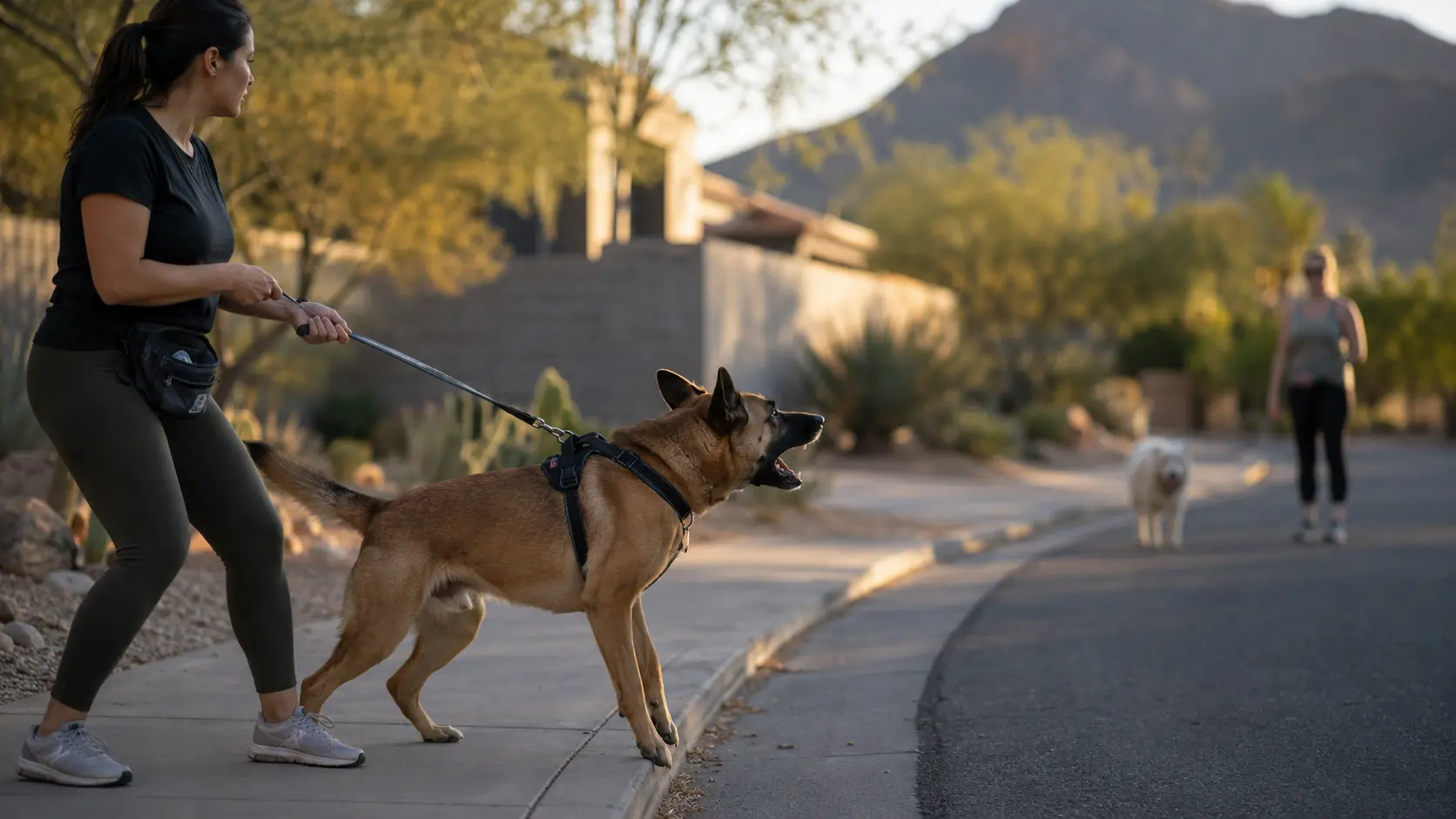
Aggression is behavior, not a personality label. Growling, barking, lunging, snapping, and biting are things a dog does, usually to create distance from something that feels threatening. Calling a dog aggressive describes the moment, but it does not explain it, and it does not point to a solution.
Most cases that bring families to dog aggression training in Scottsdale involve some mix of fear, anxiety, frustration, pain, learned associations, guarding, territorial behavior, or a history of rehearsal. Punishing the warning signs can quiet the growl while leaving the underlying emotion exactly where it was, which removes the dog’s early warning system and can make the next incident harder to predict.
Effective dog behavior modification in Scottsdale works in the other direction. As a certified canine behaviorist specializing in aggression and reactivity, Will starts with a careful assessment, then focuses on safety, management that prevents rehearsal, trigger identification, changing the emotional response, building safer replacement behaviors, and coaching the family. Reactive dog training in Scottsdale follows the same logic, keeping your dog under threshold so calmer responses can actually be learned.
If your dog has growled, snapped, bitten, lunged at people or other dogs, or escalated around visitors, walks, grooming, handling, food, toys, doorways, or another dog in the home, the safest next step is a professional assessment before the pattern becomes more rehearsed.
Schedule a behavior consultation or read more about dog aggression training in Phoenix and Scottsdale.
The emotional side
Anxiety, Fear, Phobias, and Separation Anxiety
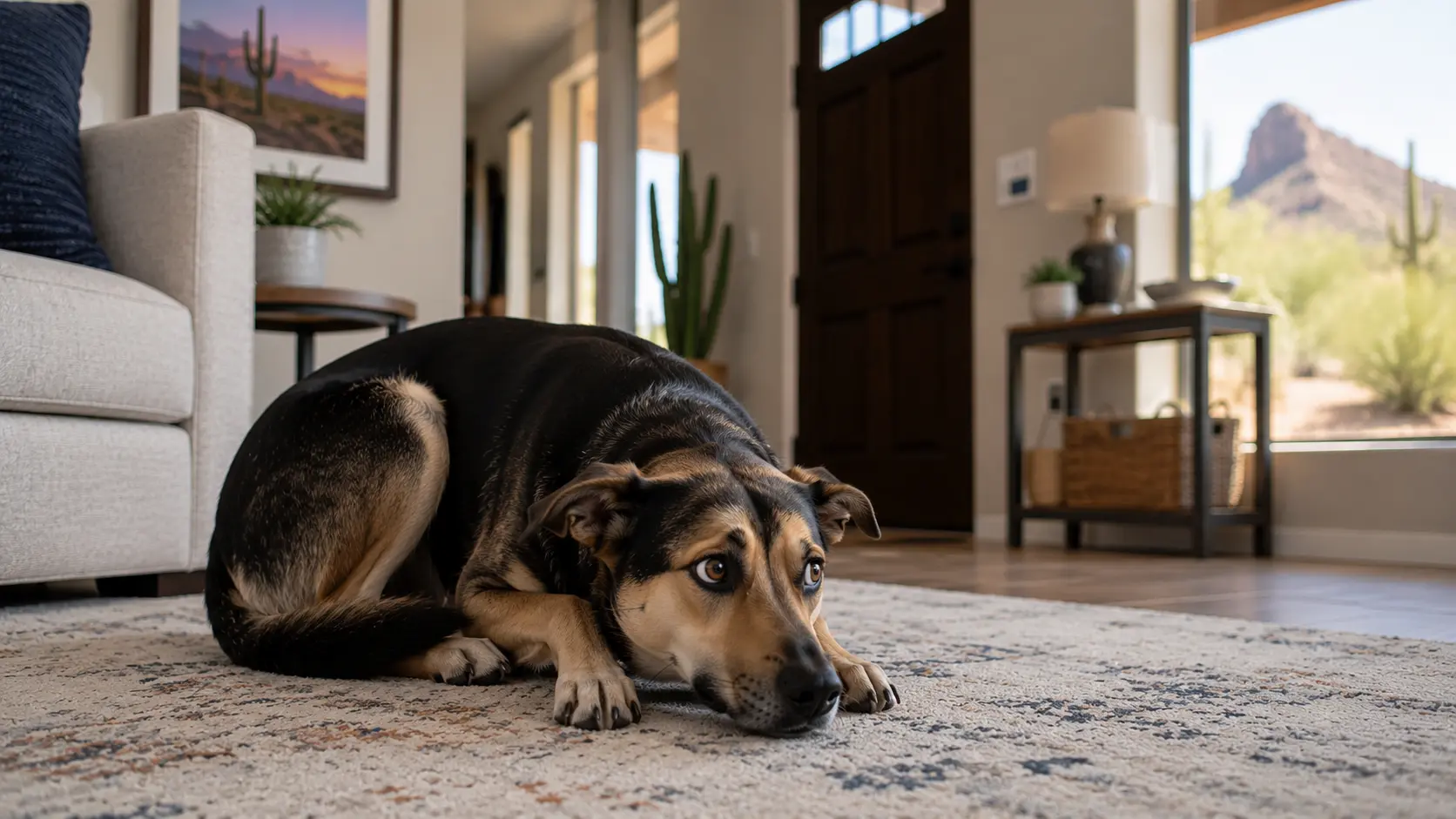
Anxiety is not stubbornness, and a frightened dog is not giving you a hard time. A dog struggling with fear or anxiety is having a hard time, and the behavior you see is the visible edge of an emotional state. That is why dog anxiety training in Scottsdale focuses on how your dog feels first, and on what your dog does second.
Fearful and anxious dogs tend to do best with predictable routines, reduced exposure to triggers, gradual sub-threshold training, enrichment, real decompression, and, in some cases, veterinary collaboration. Fearful dog training in Scottsdale is rarely about pushing a dog to face its fears. It is about lowering the emotional temperature so learning becomes possible.
Separation anxiety deserves a category of its own. It is genuine panic, and panic cannot be corrected away, which is why separation anxiety training in Scottsdale looks so different from general obedience. The plan has to prevent rehearsal of the panic, rebuild a feeling of safety when your dog is alone, and extend time apart gradually. A clear, step-by-step approach gives both you and your dog something workable to follow.
You can learn more about dog anxiety training in Phoenix and Scottsdale and about focused separation anxiety training for dogs.
A clear path
What the Behavior Consultation Process Looks Like
You do not need to have it all figured out before you reach out. The process is built to bring structure and relief, one step at a time.
Schedule your initial behavior consultation
Book your first session and take the pressure off. This is where the real work of understanding your dog begins.
Complete the behavior history questionnaire
You share your dog’s history, triggers, and the specific situations that worry you, so the assessment starts from a full picture.
Will evaluates the whole picture
Behavior history, triggers, safety concerns, environment, reinforcement history, medical considerations, and your family’s goals all inform the assessment.
You receive a customized behavior modification plan
A plan built around your dog and your household, with management, skill building, and emotional change at its core, explained in plain language.
Follow-up sessions coach the work
Ongoing sessions help you implement the plan, adjust criteria, track progress, and build safer, steadier behavior patterns over time.
Depending on the case type and safety considerations, your first session may be in-home, virtual, or a hybrid of both. Behavior modification is a clinical process, so the work is tailored rather than packaged, and progress depends on the individual dog.
The science, plainly
Why Punishment and Suppression Can Make Serious Behavior Worse
Punishment can stop a visible behavior for a while, but it leaves the fear, anxiety, pain, stress, or perceived threat underneath it untouched. The behavior may pause. The emotion does not.
Suppressing a growl or other warning is especially risky. Those signals are communication, and silencing them can produce a dog who appears calm right up until the moment it is not. A dog who goes quiet after punishment can still be deeply unsafe, because the warning system has been removed without changing how the dog feels.
Evidence-based behavior modification works differently. It changes the conditions, the emotional responses, and the learned associations that drive the behavior, so that calmer responses become genuine rather than forced. That is why this work relies on assessment, management, and humane training instead of intimidating a dog into silence.
Built around your case
In-Home, Virtual, and Hybrid Consultations for Scottsdale
The format is a clinical decision, chosen for your dog’s behavior, the risks involved, your goals, and safety. Each option is legitimate, and the right one depends on the case.
Because the most useful read on a dog’s behavior comes from where the dog actually lives, I come to you across Scottsdale, whether that is Old Town, McCormick Ranch, or the North Scottsdale neighborhoods up around DC Ranch and Grayhawk. How your dog responds in your own home and on your own street tells me far more than anything I could stage in a training room.

In-home
Best when the home environment, household routine, visitor setup, doorways, family interactions, or multi-dog dynamics need to be observed directly.

Virtual
Effective for behavior history, separation anxiety, fear, reactivity planning, safety management, family coaching, and cases where a stranger entering the home may change the dog’s behavior.
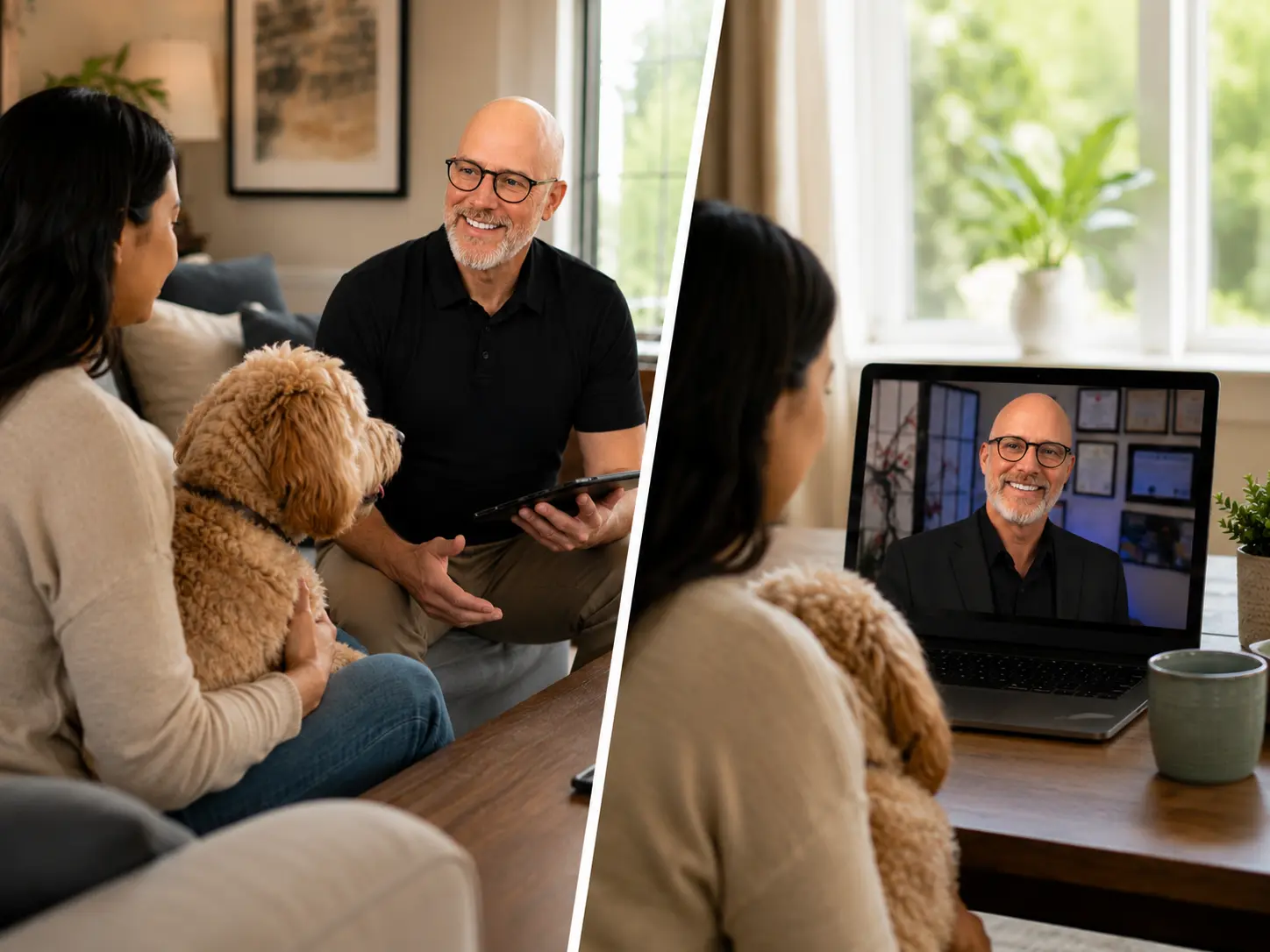
Hybrid
A flexible blend of in-home and virtual sessions, often ideal for stranger-directed aggression, safety concerns, or complex cases that need both observation and ongoing coaching.
Not sure which format fits your dog? That is part of what we figure out together.
In Their Own Words
What Pet Parents Say
If you have a dog who’s been struggling, behaviorally, emotionally, or both, Will is your person. My dog Hank came to him as a genuinely difficult case, and the progress has been remarkable. Will doesn’t just address surface behaviors but gets to the root of the issue. He’s even collaborated with Hank’s vet to make sure his medication is properly equilibrated, understanding that behavior and biology aren’t separate conversations. That integrative, science-based approach is rare and makes a real difference. Will’s method is thoughtful and effective. He’s opened my eyes to how much sniffing can help a dog’s nervous system relax, which has been critical to Hank’s progress. The results speak for themselves. Hank is less reactive, handles guests without going off the rails, is far easier to calm down when he gets overstimulated, and the humping situation is significantly more civilized. Will took all of it seriously without judgment and tackled each issue methodically. I’m excited to continue working with Will to help Hank keep making progress.
Tzivia Masliansky
Verified Google review
I have had pet dogs for decades and have experienced several trainers. Lexi my Sheltie is a reactive dog and other trainers were unable to make much progress with her. One even suggested she be euthanized! Will has turned out to be the most knowledgeable and patient canine behavior expert and trainer I have met and has been successful in helping Lexi. He provided me with verbal, written and, at times, recorded instructions as well as videos, all of which were very helpful. Will is genuinely concerned with his canine students as evidenced by his calls to check and see how Lexi was doing. Lexi’s behavior is much improved as is her quality of life. I highly recommend him if your dog has a behavior problem.
Mark Meyers
Verified Google review
Will helped us to train our young, reactive rescue dog. He taught us so many different ways to handle the issues we were experiencing, as well as recommended resources to help us better understand her behavior. It is obvious that Will is an expert in dog behavior and passionate about what he does. There isn’t a doubt in our minds that if we hadn’t reached out to and worked with Will that we wouldn’t be where we are today with our dog. We are grateful for his direction, dedication, and commitment to helping us. Thank you, Will!
Megan Wren
Verified Google review
About Will Bangura

Will Bangura, M.S.
CAB-ICB, CBCC-KA, CPDT-KA, FDM, FFCP
Will Bangura is a Certified Canine Behaviorist and behavior consultant with advanced training in applied ethology, specializing in severe dog aggression, reactivity, anxiety, fear, phobias, separation anxiety, and complex canine behavior problems. With more than 35 years of experience, he works with pet parents throughout Scottsdale and the greater Phoenix metropolitan area, and worldwide through virtual behavior consultations.
Will is Arizona's only CAB-ICB Certified Canine Behaviorist through International Canine Behaviorists, and one of only three professionals in the United States to hold this credential. He holds a Master of Science degree in Psychology and completed postgraduate studies in canine cognition through Harvard University.
In addition to his behaviorist credentials, Will is certified through the Certification Council for Professional Dog Trainers (CCPDT) as both a Certified Behavior Consultant Canine (CBCC-KA) and Certified Professional Dog Trainer (CPDT-KA). He is also a Fear Free Certified Professional (FFCP) and certified in Applied Ethology through Kim Brophey's Family Dog Mediation (FDM) program.
Will is the founder of Phoenix Dog Training, host of the Dog Training Today podcast, published author, public speaker, and expert witness in dog behavior and aggression cases. His work focuses on evidence-based, force-free behavior modification that addresses the underlying emotional causes of canine behavior problems rather than simply suppressing behavior through punishment.
Verified and Accredited
Professional Credentials & Affiliations
Science-based training, behavior expertise, continuing education, and professional membership, all grounded in the credentials and experience Will Bangura brings to every case.
Certifications




Continuing Education

Professional Memberships



Explore more
Related Scottsdale and Phoenix Services
Questions, answered
Frequently Asked Questions
When should I hire a dog behaviorist in Scottsdale?
What is the difference between a dog trainer and a dog behaviorist?
Can a dog behaviorist help with aggression?
Can you help with leash reactivity?
Can you help with separation anxiety?
Do you work with dogs who have bitten?
Do you offer in-home behavior consultations in Scottsdale?
Do you offer virtual dog behavior consultations?
Do you use shock collars, prong collars, choke collars, or punishment?
What should I do before the first consultation?
Ready to Get Serious Behavior Help in Scottsdale?
If your dog’s behavior is affecting safety, daily life, walks, visitors, other pets in the home, or your ability to relax, the next step is a professional behavior consultation. You do not need a generic training package. You need a careful assessment and a behavior modification plan built around your dog’s history, triggers, environment, and emotional needs.
Scottsdale is home, and it is where these behaviors actually show themselves, on the sidewalks of Old Town, the quiet streets of McCormick Ranch, the desert trails up around Troon. Lasting behavior change has to happen in those real settings, and that is exactly where I do the work.
Or call (602) 769-1411