Sniff to Soothe Forage Five: Pattern Game for Reactive Dogs
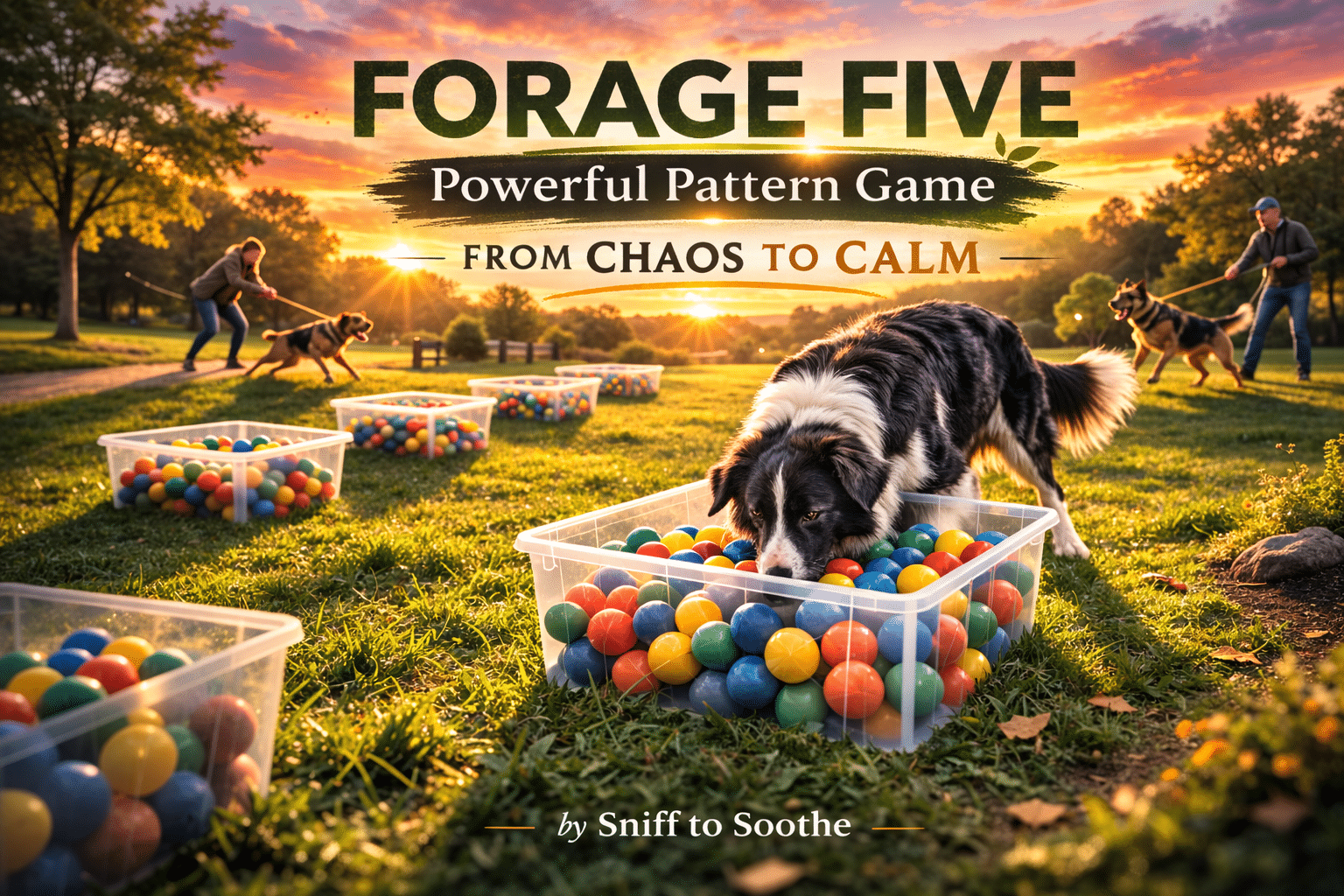
Sniff to Soothe Forage Five pattern game, a dog searches treats in a ball-filled bin while a reactive dog on leash calms in a park before-and-after scene.

Sniff to Soothe Forage Five Pattern Game for Reactive, Fearful, and Aggressive Dogs Sniff to Soothe Forage Five A scent-led pattern game that helps dogs shift from chaos to calm Before we talk about bins and balls, I want to give credit where it belongs. Pattern games have changed the dog training world in a way that is hard to overstate. Leslie McDevitt’s Control Unleashed work gave pet parents and pet professionals a humane, practical way to create predictability and emotional safety for dogs who used to unravel in the real world. Her pattern games helped thousands of dogs feel …
Read more

Behavior Modification for Dog Aggression and Reactivity | Phoenix

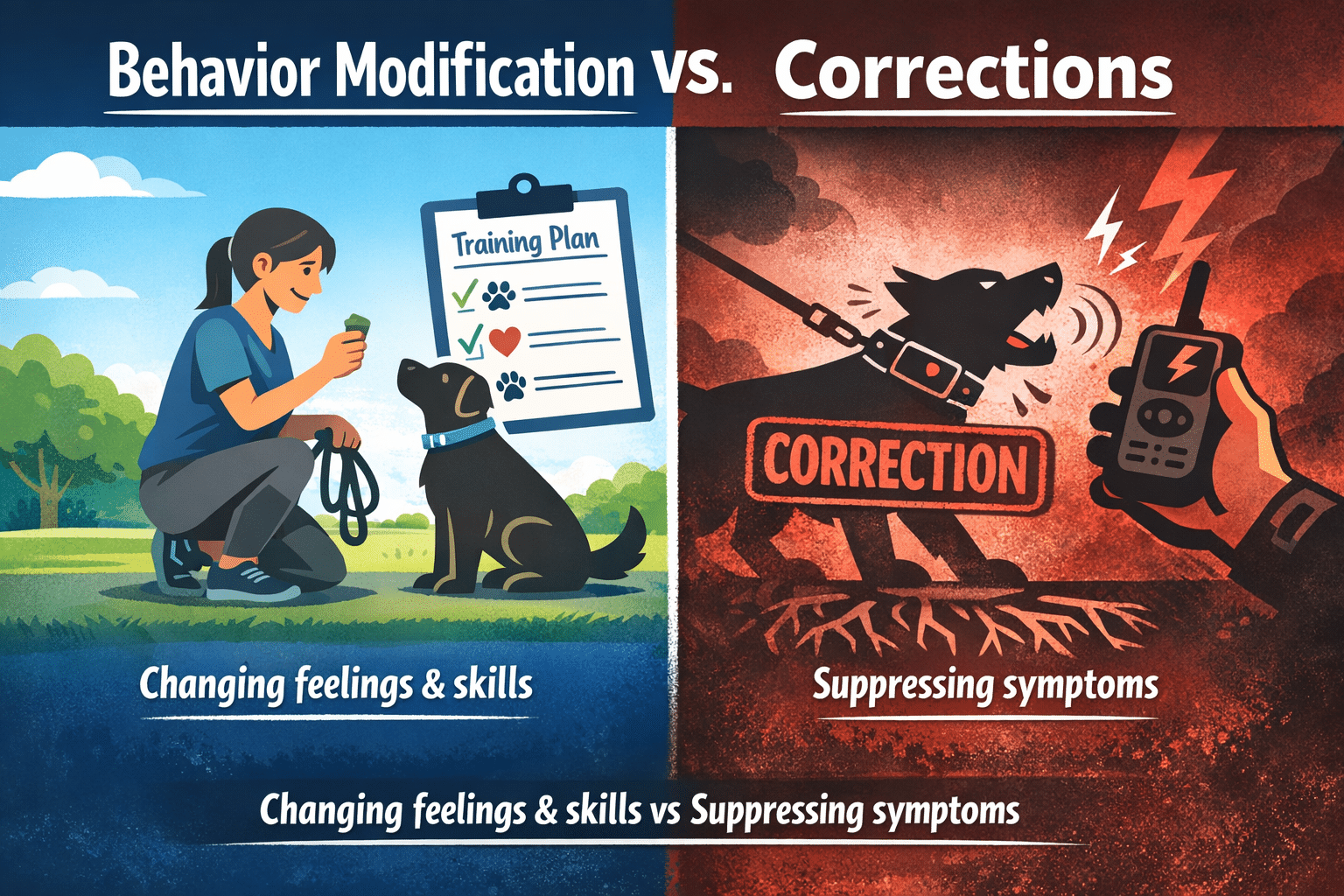
Illustration comparing behavior modification in dog training, changing feelings and skills, versus corrections using an e collar to suppress symptoms in a reactive dog.

What Behavior Modification Is and What It Is Not: A Phoenix Guide for Aggressive and Reactive Dogs What Behavior Modification Is and What Behavior Modification Is Not A practical, science based guide for pet parents trying to find the right help If you are dealing with dog aggression training in Phoenix, barking, lunging, growling, snapping, panic when left alone, resource guarding, chasing wildlife, or a dog who loses their mind around strangers, you have probably heard the phrase behavior modification. It gets thrown around like it is a magic credential. It sounds advanced, and it sounds like whoever says it …

Read more

The Use of Secondary Reinforcers in Canine Counterconditioning

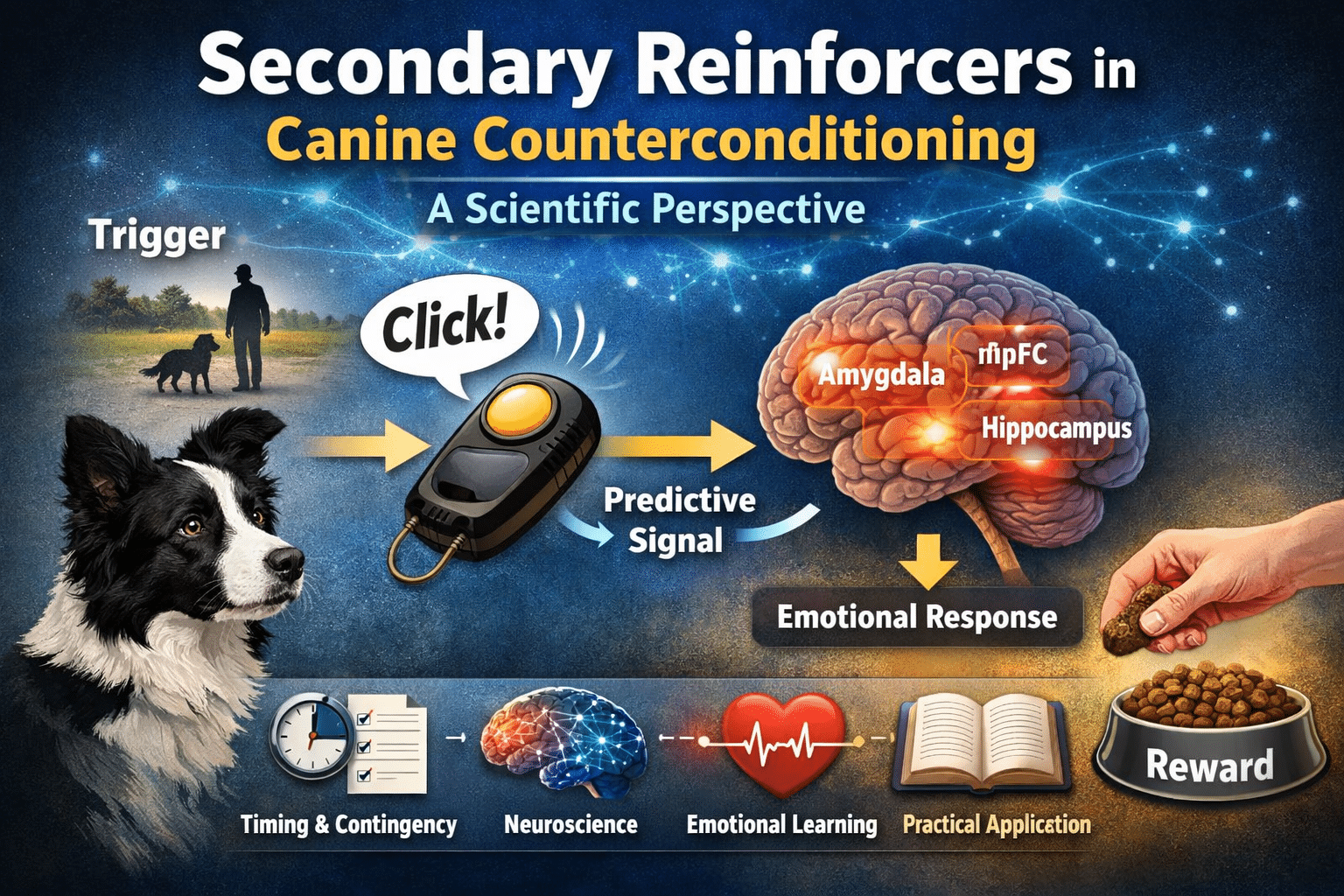
Diagram illustrating secondary reinforcers in canine counterconditioning, showing a clicker as a predictive signal influencing emotional learning through the amygdala, medial prefrontal cortex, and hippocampus.

The Use of Secondary Reinforcers in Canine Counterconditioning: A Classical Conditioning Perspective By Will Bangura, M.S., CAB-ICB, CBCC-KA, CPDT-KA, FDM, FFCP Introduction Some professional guidance, including position statements by veterinary behavior organizations, has appropriately emphasized that secondary reinforcers are not required for counterconditioning and may be unnecessary or inadvisable in certain cases, particularly when working with noise-sensitive dogs or novice handlers (Todd, 2025). The present discussion does not dispute this position. Rather, it examines the conditional role secondary reinforcers may play when analyzed strictly through classical conditioning and affective neuroscience, particularly in applied contexts where perfect timing and stimulus control …

Read more

The Illusion of the Unfazed Dog: A Scientific Analysis of Shield K9’s High-Level E-Collar Demonstration

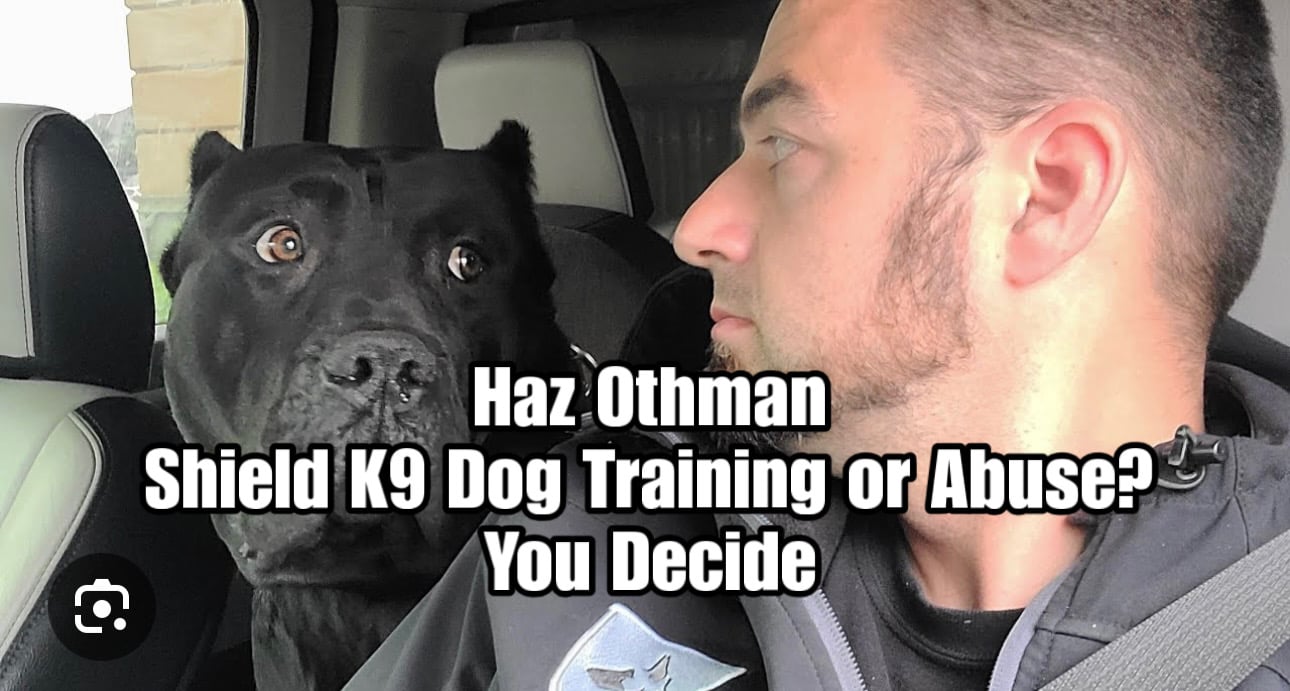
A man sitting in a car beside a Cane Corso dog, looking at each other closely, with overlaid text reading “Haz Othman Shield K9 Dog Training or Abuse? You Decide.”

Will Bangura, M.S., CAB-ICB, CBCC-KA, CPDT-KA, FDM, FFCP The Illusion of the Unfazed Dog: A Scientific Analysis of Shield K9’s High-Level E-Collar Demonstration A recent video featuring a trainer, Haz Othman,  from Shield K9 Dog Training in Canada shows a working-line German Shepherd performing precision obedience under repeated high-intensity e-collar stimulation, reportedly having two electronic collars on one collar strap on the dog’s neck at level 127, the collar’s maximum output. The trainer presents this as proof that such tools are not aversive, claiming the dog is working “happily in drive.” To many viewers, including professional trainers, including Haz himself, …

Read more

How to Help a Fearful Dog: Evidence-Based Training, Tools, and Support for Anxiety and Reactivity

Fearful dog showing anxiety with tucked body posture and wide eyes

By Will Bangura, M.S., CAB-ICB, CBCC-KA, CPDT-KA, FFCP Certified Canine Behaviorist | Dog Behavior Consultant | Author & Educator Helping Fearful Dogs: A Science-Based Guide to Understanding, Training, and Support Table of Contents   Introduction to Training Fearful Dogs Fear in dogs is far more than a passing emotion. For many, it is a life-defining experience that shapes how they interact with the world, their families, and even themselves. A dog who trembles at the sound of fireworks, hides from strangers, or growls when approached is not simply “misbehaving.” These are outward signs of an internal state, a nervous system …

Read more

Why Punishment Fails: Dog Aggression & Reactive Dog Training

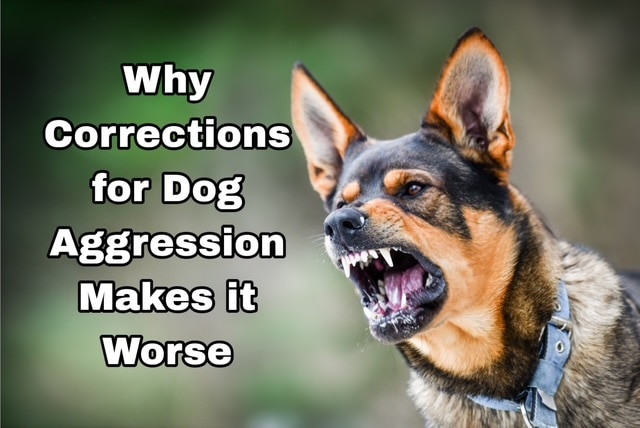
Aggressive dog baring teeth mid-snarl, wearing a collar, with bold text warning that corrections for dog aggression make behavior worse

By Will Bangura, M.S., CAB-ICB, CBCC-KA, CPDT-KA, FFCPCertified Canine Behaviorist | Dog Behavior Consultant | Author & Educator The Hidden Damage of Punishment in Dog Training: Science-Backed Solutions for Aggression and Reactivity in Phoenix Dogs Table of Contents Walk into almost any pet supply store and you will find a wall full of “training” tools: prong collars, choke chains, and electronic shock collars. Some are sleek and modern, others medieval in appearance. All promise control. Some even claim to stop aggression or reactivity in dogs. But the truth is, punishment-based tools do not fix behavior problems; they deepen them. When …

Read more

Leslie McDevitt’s 1-2-3 Pattern Game

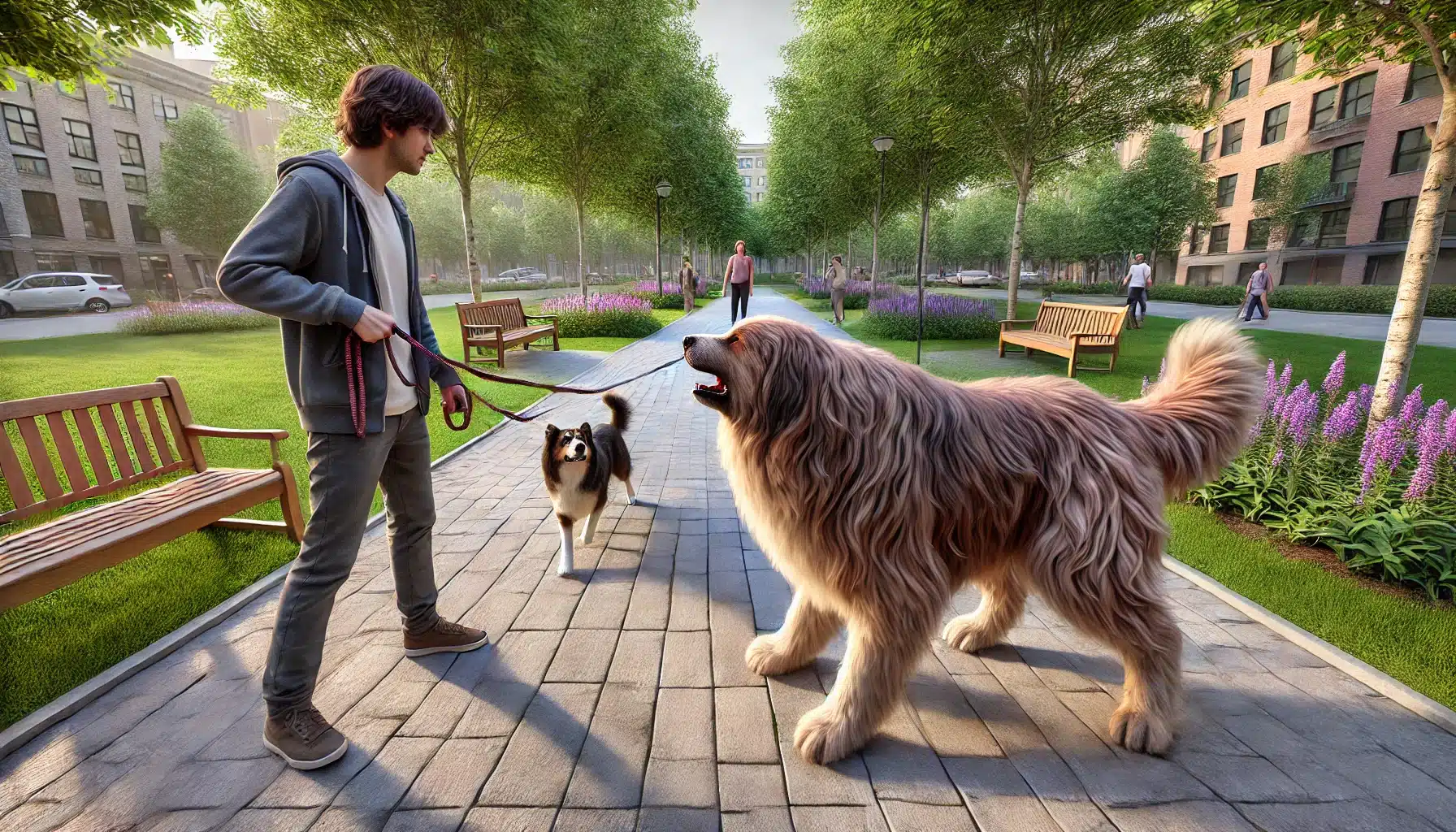
A pet parent in a city park calmly handles two leashed dogs, one of whom is slightly reactive, demonstrating behavior training techniques like Leslie McDevitt’s 1-2-3 Pattern Game.

Leslie McDevitt’s 1-2-3 Pattern Game What It Is, How It Works, and How to Teach It What Is the 1-2-3 Pattern Game? (Video At The end of the Article on the 1-2-3 Pattern Game) The 1-2-3 Pattern Game is a structured behavior protocol developed by Leslie McDevitt, MLA, CDBC, CPDT-KA, author of Control Unleashed. It is part of her larger library of “Pattern Games,” which are designed to give predictable structure and reinforcement in situations that may otherwise trigger stress, reactivity, anxiety, or loss of focus in dogs. The 1-2-3 Pattern Game involves counting “1, 2, 3” out loud in …

Read more

How to Train Dogs with Food the Right Way: Proper Use of Treats, Markers, and Rewards

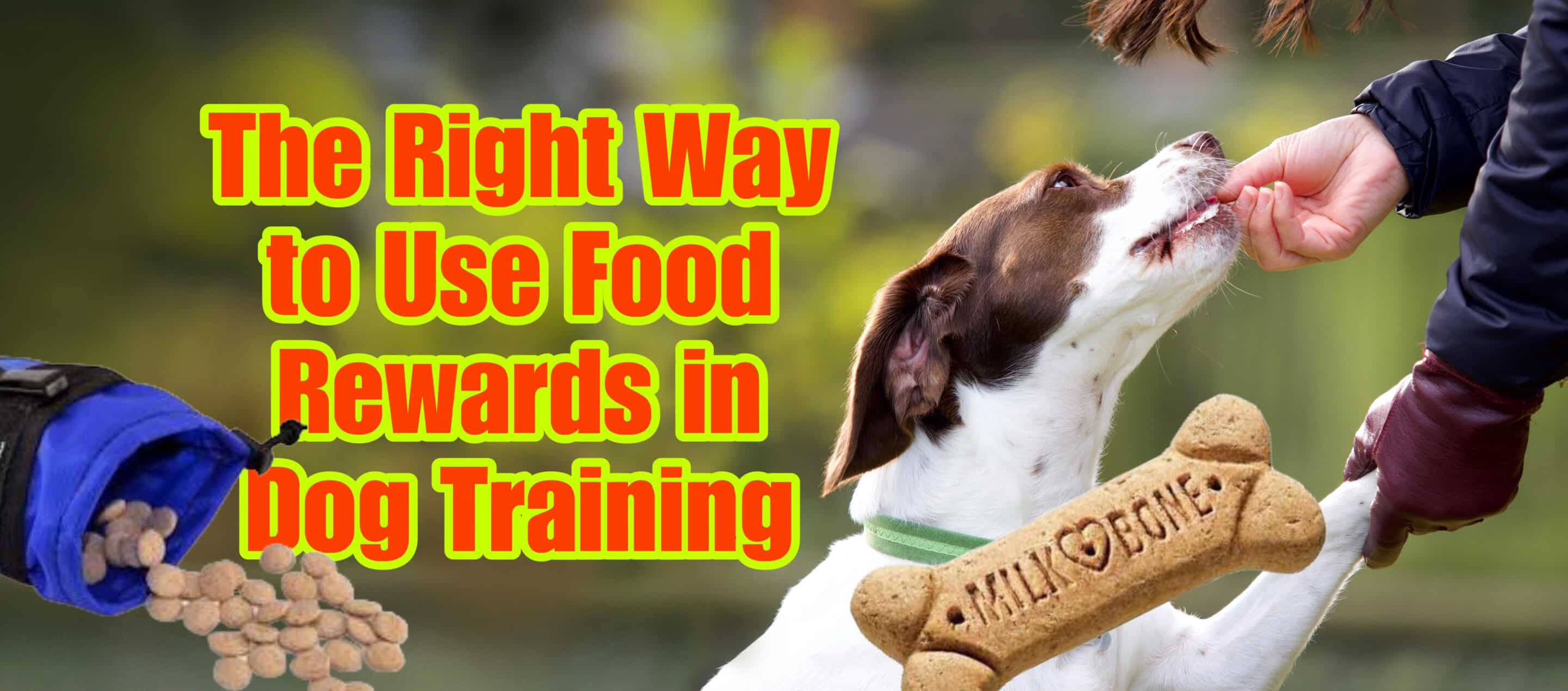
Dog receiving food reward during positive reinforcement training, showing correct use of treat pouch and timing

How to Use Food Rewards Correctly in Dog Training: The Complete Step-by-Step Guide By Will Bangura, M.S., CAB-ICB, CBCC-KA, CPDT-KA, FFCP Certified Canine Behaviorist | Dog Behavior Consultant | Author & Educator More Than Just Treats Table of Contents Food is magical to dogs. It’s not just fuel to keep their little engines running — it’s joy. It’s connection. It’s one of the fastest, clearest ways we can say, “You did something amazing.” And yet, using food in dog training gets a bad rap sometimes. Maybe you’ve heard things like, “I don’t want my dog to only work for treats,” …

Read more

Unqualified and Dangerous: Why Many Protection Sport Dog Trainers Should Never Handle Pet Dog Aggression

A sad, anxious dog wearing both a prong collar and shock collar, looking up with pleading eyes. Text overlay reads “Dogs Deserve Better.

Unqualified and Dangerous: Why Many Protection Sport Dog Trainers Should Never Handle Pet Dog Aggression By Will Bangura, M.S., CAB-ICB, CBCC-KA, CPDT-KA, FFCP Certified Canine Behaviorist | Dog Behavior Consultant | Author & Educator Table of Contents   Introduction In today’s dog training industry, one of the most disturbing and irresponsible trends is the increasing number of protection sport dog trainers—those who specialize in bite sports such as IGP, PSA, Mondioring, and French Ring— trainers such as Ivan Balabanov and others positioning themselves as experts in solving aggression problems in pet dogs. Armed with flashy trial videos, decoy suits, and …

Read more

LAT Dog Training for Reactive & Aggressive Dogs |

Dog practicing Look At That (LAT) training with pet parent during reactive dog training session in Phoenix

LAT (Look at That) Dog Training: A Practical, Personable Guide for Pet Parents and Trainers Table of Contents Listen to the (LAT) Look at That Podcast I still remember the first time I saw a pet guardian use “Look at That” with their anxious rescue pup. We were standing in a quiet little park, and their dog—let’s call him Charlie—would get worked up the moment he glimpsed a skateboard or even heard a skateboard’s wheels in the distance. It was like clockwork: he’d see the trigger, bark his head off, and lunge at the end of his leash. It wasn’t …

Read more